Summer Nutrition Tips: How to Stay Healthy While Travelling, Dining Out, and Enjoying Summer

Learn how to maintain your nutrition and training goals through a season of travel, client dinners, and social obligations—realistic strategies that support your goals without guilt or restriction.
Summer runs on a different operating system than the rest of your year.
Why Summer Can Make Healthy Eating Feel Difficult
Client dinners stack up. Travel disrupts your routine every other week. A weekend at the lake house turns into three days of entertaining. The trip you've been counting down to since February finally arrives, and so does the tiny voice in the back of your mind: "But my goals..."
Here's the thing: you're not failing for wanting both. You can care about your health and not want to spend the one trip you took all year negotiating with a dessert menu. You can work hard toward your goals all year and still want to fully show up for the season that's supposed to be enjoyable.
Summer doesn't cause the setback. The all-or-nothing framework most of us were trained to bring into it does:
"I'll be disciplined this week.""That dinner set me back.""I'll reset Monday."
Sound familiar? A sustainable approach doesn't require perfect conditions 365 days a year—in fact, requiring perfect conditions is usually what makes a plan fail. A strategy that only works when your schedule is predictable, your stress is low, and every meal is cooked at home is really just a temporary challenge with an expiration date.
Adaptability is the actual goal, more than discipline. Summer functions less like a threat to your progress and more like a stress test—it reveals whether your habits can hold up under real conditions.
The Biggest Nutrition Mistake People Make During Summer
One of the most useful shifts you can make: stop treating summer meals as exceptions to earn back.
A steak dinner with a client doesn't undo your progress. A cocktail on vacation reflects a choice, not a lapse in discipline. Dessert at a celebration is just dessert—it doesn't need to be offset with an extra session tomorrow.
The moment you label food as good or bad, you create an internal tug-of-war—restricting all day to "be good," then arriving at dinner already depleted, overeating past the point of enjoyment, and closing the loop with guilt. That cycle runs on friction, not strategy.
Try a different question instead: "How can I fully participate in this while still supporting how I want to feel tomorrow?"
That question creates a decision. Maybe you enjoy the meal and prioritize protein and vegetables where you can. Maybe you have the dessert because it's genuinely worth it to you, and then you move on without narrating it. Maybe you order the drink you actually want and alternate with water because tomorrow's 6am flight matters too.
Making that choice on purpose, rather than on autopilot, is the whole game.
The ten-second pause is a tool worth building into any high-stakes dinner or long weekend: before the next drink or next course, pause and ask, "Do I actually want this, or am I just following the room?" Sometimes you'll realize you're satisfied. Other times you'll decide, "yes, actually, I want this"—and that's a real decision, not a slip. Fewer bites and drinks were never really the target. Conscious ones were.
Build Habits That Travel with You
Summer schedules don't hold still, which means your habits can't depend on a fixed routine—they need to be portable enough to function on a plane, in a hotel, or between back-to-back meetings.
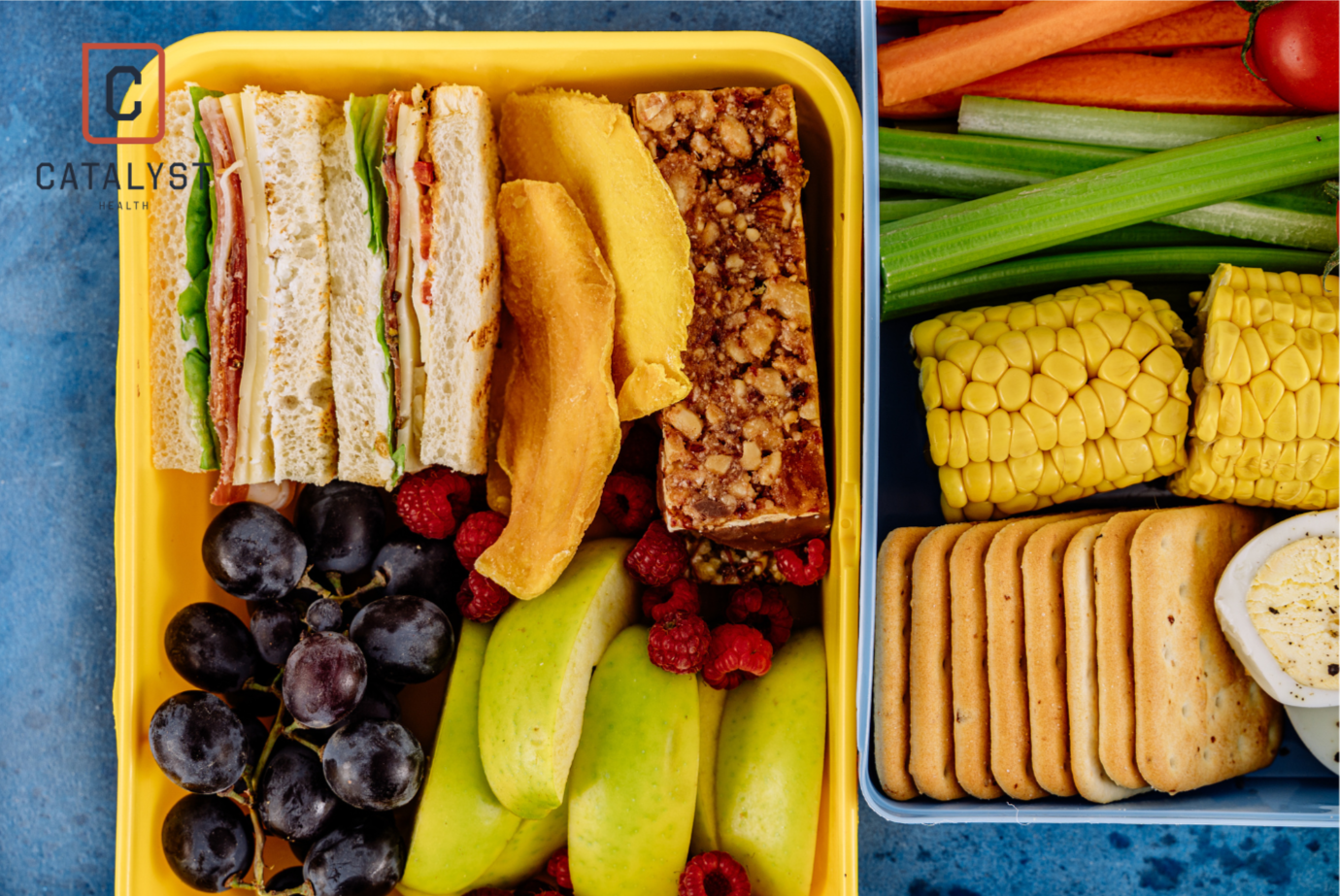
A few anchors that travel well:
Prioritizing protein at the first meal of the day, wherever you are
Moving your body daily—a personalized workout, a long walk between meetings, a swim, a round of golf
Carrying water, since heat, travel, and an extra glass of wine at dinner have a sneaky way of leaving you depleted by 3pm
These exist to support your summer, the way a good system supports you rather than boxing you in.
The same logic applies to your calendar. Rather than trying to "be good" at every event, decide your yeses in advance. If it's the trip you've been looking forward to all year, or the dinner that actually matters to you, commit to it fully—without negotiating with yourself the entire evening. Then ask: "What would let me enjoy this and still feel-good tomorrow?" That might mean eating a real lunch instead of saving room, having a protein-forward snack before you head out, or simply slowing down enough to taste the meal instead of finishing it on autopilot between conversations.
Planning ahead like this is really just the same forward-thinking you already apply to everything else in your life, aimed at your health.
Don't Let One Meal Become the Whole Story
Real behaviour change happens when things don't go according to plan, not when they do.
Maybe you ate past comfortable. Maybe the trip looked nothing like your normal week. Maybe one dinner turned into three. Treat it as data, not a crisis.
The useful question is rarely "why can't I stick to this?" Try "what's the actual input here?" instead. Were you under-fueled earlier in the day? Running on four hours of sleep after a red-eye? Genuinely celebrating something worth celebrating? Your behaviour is information about what happened, not a verdict on your character.
And let go of the "reset Monday" instinct entirely. One indulgent meal doesn't require a reset—your very next meal already is one. The all-or-nothing spiral almost always starts with the story you tell yourself after the meal, not the meal itself. Change the story, and the spiral loses its power.
The Goal Was Never Perfection
Health is built over quarters and years, not individual weeks. Some seasons of your life are structured. Others are wall-to-wall with travel, client entertaining, celebrations, and plans that shift twice in one day. Both are just the nature of the life you've built, and both deserve a plan that fits them.
So, this summer, try trading "how do I stay perfect?" for a better question: "how do I take care of myself while fully showing up for my life?"
The healthiest version of you probably isn't the person who declines every dinner invitation or treats every celebration as a threat to their progress. Trust yourself enough to enjoy those moments fully, and return to your habits afterward without drama.
Performance and enjoyment can both be true at once. That's the actual target.
Build Habits That Work Beyond Perfect Weeks
If summer keeps turning into a cycle of "on track" and "off track," look past discipline as the culprit—the real issue is usually that your strategy hasn't been built for the actual demands of your lifestyle. Your approach should hold up against travel, client dinners, celebrations, and last-minute plans without requiring you to start over every Monday.

Through personalized nutrition coaching, we'll help you identify the habits that matter most, build a strategy that fits the life you're actually living, and develop the confidence to make choices that support both your goals and the moments that make the season worth it.
Book your consultationwith Catalyst's in-house nutritionist, Maya Eid, and build a sustainable approach that works in every season.
FAQ
Is it okay to eat unhealthily while on vacation?
Absolutely. One meal—or even one weekend—won't undo months of healthy habits. The key is returning to your normal routine at your next meal rather than waiting until Monday or after your vacation ends.
How can I eat healthy while travelling?
Focus on simple habits such as prioritizing protein, staying hydrated, walking whenever possible, and eating mindfully. You don't need to eat perfectly to maintain your progress.
Will I gain weight from a week of vacation?
Most people do not gain significant body fat from one vacation. Temporary weight increases are often due to increased carbohydrate intake, sodium, hydration changes, and digestion—not fat gain.
Should I exercise every day while on vacation?
Not necessarily. Movement is beneficial, but your vacation doesn't need to revolve around workouts. Walking, swimming, hiking, golfing, or enjoying recreational activities all contribute to maintaining an active lifestyle.
How do I avoid overeating at restaurants?
Avoid arriving overly hungry by eating balanced meals throughout the day. Slow down while eating, prioritize protein and vegetables, and pause before ordering another drink or dessert to decide if you truly want it.
Is nutrition coaching worth it?
Nutrition coaching helps you build sustainable habits that fit your lifestyle rather than following restrictive diets. At Catalyst Health, our nutrition coaching focuses on long-term success, flexibility, and realistic strategies for busy professionals and active individuals.

Written by Maya Eid, CNP
Nutrition Coach | Catalyst Health
Maya Eid is a Certified Nutritional Practitioner at Catalyst Health in Yorkville, Toronto. She specializes in helping busy professionals develop practical, sustainable nutrition habits that support weight management, performance, and long-term health. Her coaching emphasizes realistic strategies, evidence-informed recommendations, and lasting behaviour change rather than restrictive dieting.