Why Runners Get Knee Pain (And What You Can Do About It)
Running is one of the most accessible and effective forms of exercise. It improves cardiovascular health, builds endurance, reduces stress, and supports long-term health. However, one complaint brings many runners into healthcare clinics every year: knee pain.
If you've ever wondered why runners get knee pain, you're not alone. Knee pain is one of the most common running injuries, affecting both new and experienced runners.
The good news? Most running-related knee pain is treatable—and often preventable.
At Catalyst Health in Toronto, we help runners identify the root cause of knee pain through comprehensive assessments, physiotherapy, chiropractic care, rehabilitation, and movement training so they can return to running stronger than before.
Why Does Running Cause Knee Pain?
Running places repetitive stress through the lower body.
Every step creates forces that travel through your:
feet
ankles
knees
hips
pelvis
lower back
During a typical 5 km run, your knees absorb thousands of loading cycles.
If your body isn't moving efficiently, those repetitive forces begin to overload tissues.
The result?
Pain.
Often the knee isn't actually the primary problem—it simply becomes the area that starts hurting.
The Most Common Causes of Runner's Knee
1. Patellofemoral Pain Syndrome (Runner's Knee)
This is by far the most common running-related knee injury.
Symptoms include:
pain around the kneecap
discomfort going downstairs
pain after sitting for long periods
pain during or after running
It usually develops because the kneecap isn't tracking optimally as the knee bends.
Common contributing factors include:
weak hip muscles
poor movement mechanics
reduced hip mobility
sudden increases in training volume
2. IT Band Syndrome
Pain on the outside of the knee is frequently caused by irritation of the iliotibial (IT) band.
Symptoms include:
pain on the outside of the knee
discomfort worsening with distance
pain during downhill running
Many runners assume the IT band is "tight," but weakness in the hip muscles and poor running mechanics are often bigger contributors.
3. Weak Hip Muscles
Many runners are surprised to learn that hip strength has a major influence on knee pain.
Weak glute muscles allow the knee to collapse inward during running.
Over time this places additional stress on the knee joint.
Improving hip strength often reduces knee pain significantly.
4. Limited Ankle Mobility
Your ankles influence how force is absorbed throughout the entire lower body.
Restricted ankle mobility can increase stress on the knees by altering running mechanics.
Small mobility improvements often create meaningful changes throughout the kinetic chain.
5. Training Errors
Many injuries occur not because of poor running mechanics—but because of doing too much, too soon.
Examples include:
increasing mileage too quickly
adding hills suddenly
insufficient recovery
running every day without strength training
Even healthy tissues need time to adapt.
Why Rest Alone Doesn't Fix Knee Pain
Many runners stop running for a few weeks.
The pain improves.
They return to running...
...and the pain comes back.
Why?
Because the underlying issue hasn't changed.
Rest reduces symptoms, but it rarely addresses:
weakness
mobility limitations
movement mechanics
training errors
That's why rehabilitation is so important.
How Physiotherapy Helps Runners
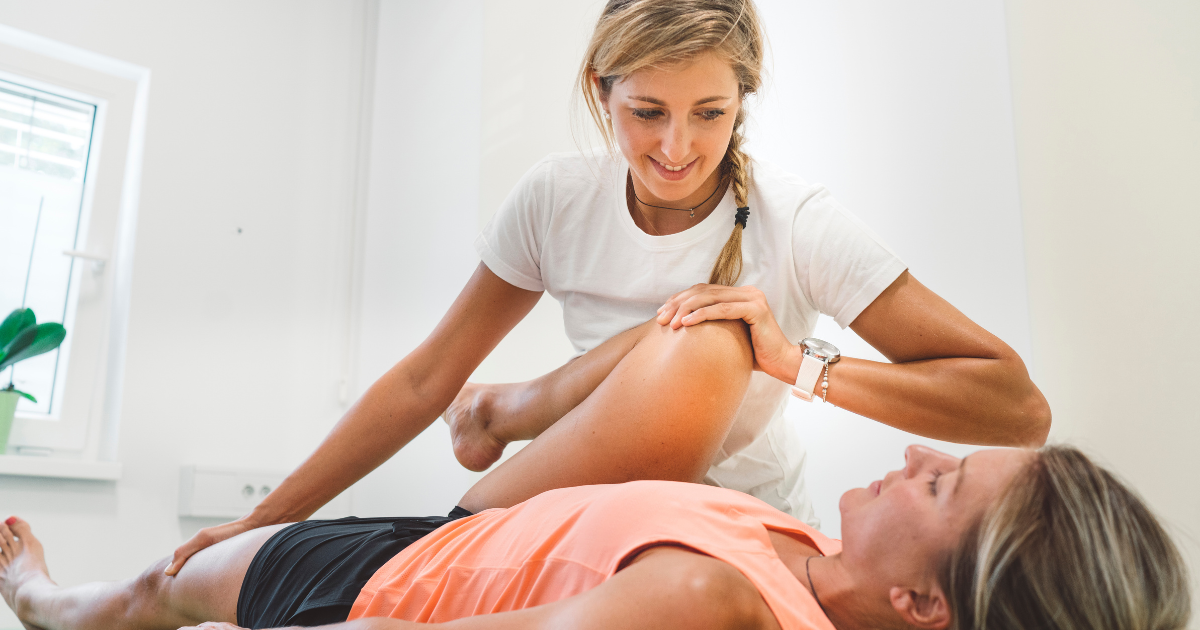
At Catalyst Health, our Physiotherapy Services focus on identifying why your knee hurts—not just treating where it hurts.
A physiotherapy assessment may evaluate:
running mechanics
hip strength
ankle mobility
balance
movement control
training history
Treatment may include:
manual therapy
strengthening exercises
mobility work
progressive return-to-running plans
The goal is to help you continue running—not simply stop running.
How Chiropractic Care Can Help
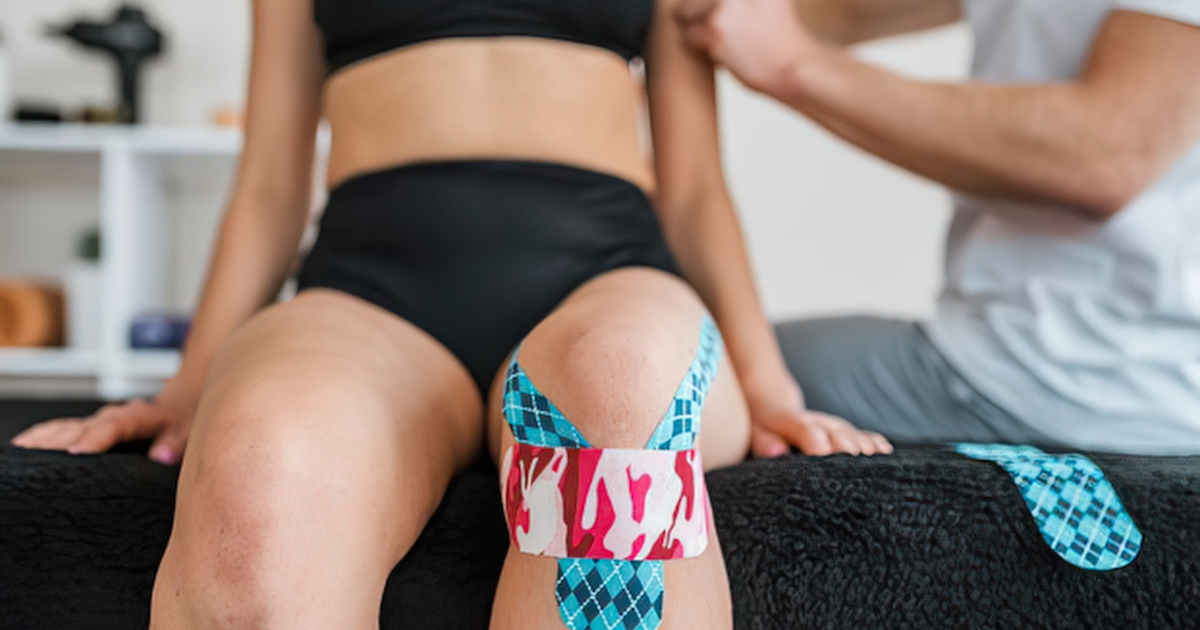
Running affects more than just the knee.
Restrictions in the:
ankle
hip
pelvis
lower back
can all influence movement patterns.
Our Chiropractic Services help restore joint mobility and improve overall movement efficiency.
For many runners, combining chiropractic care with physiotherapy provides a comprehensive approach to recovery.
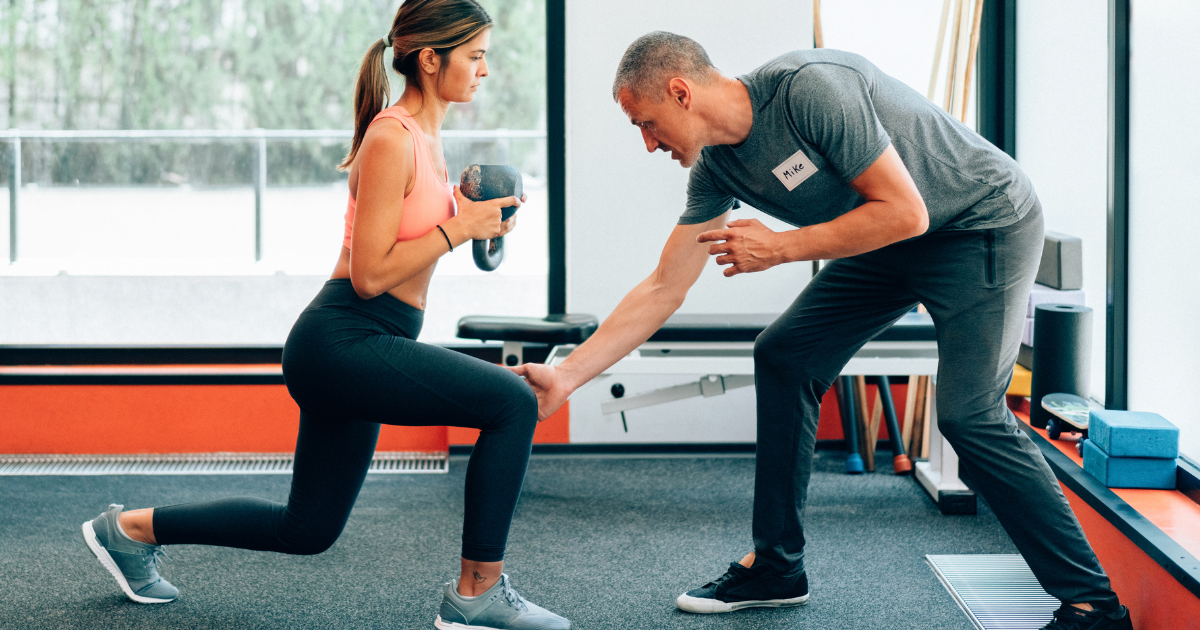
Why Strength Training Matters
Many runners avoid strength training because they worry it will interfere with running.
In reality, the opposite is true.
Strength training can help:
✔ improve running economy
✔ increase force production
✔ improve balance
✔ reduce injury risk
✔ support healthy knees
Our Personal Training programs are designed to complement running rather than compete with it.
Sports Injury Rehab for Long-Term Success
At Catalyst Health, rehabilitation doesn't stop when the pain disappears.
Our Sports Injury Rehab programs help runners:
restore mobility
improve movement quality
rebuild strength
gradually increase running volume
This reduces the risk of recurring injuries and helps runners return with confidence.
Tips to Help Prevent Knee Pain
You can lower your injury risk by:
increasing mileage gradually
incorporating strength training 2–3 times per week
improving hip and ankle mobility
warming up before running
allowing adequate recovery
addressing small aches before they become bigger problems
Consistency beats intensity.
Why Toronto Runners Choose Catalyst Health
Whether you're training for your first 5K, preparing for a marathon, or simply enjoy recreational running, our team can help keep you moving.
Located near Yorkville in downtown Toronto, Catalyst Health provides integrated care through:
Physiotherapy
Chiropractic
Sports Injury Rehabilitation
Personal Training
Recovery Services
Our goal is simple:
Help you recover faster, move better, and continue doing what you love.
Book an Assessment
If knee pain is limiting your running, don't wait until it becomes a chronic injury.
Our team will identify the underlying cause of your pain and develop a personalized treatment plan to get you back on the road or trail.
Book an Assessment today and take the first step toward pain-free running.
Frequently Asked Questions
Is it okay to run with knee pain?
Mild discomfort may not always require stopping, but persistent or worsening pain should be assessed by a healthcare professional.
What is the most common running knee injury?
Patellofemoral Pain Syndrome (Runner's Knee) is one of the most common causes of knee pain in runners
Can physiotherapy help runner's knee?
Yes. Physiotherapy can address strength deficits, mobility restrictions, and movement patterns that contribute to knee pain.
Should runners do strength training?
Absolutely. Research consistently shows that strength training can improve performance while reducing injury risk.